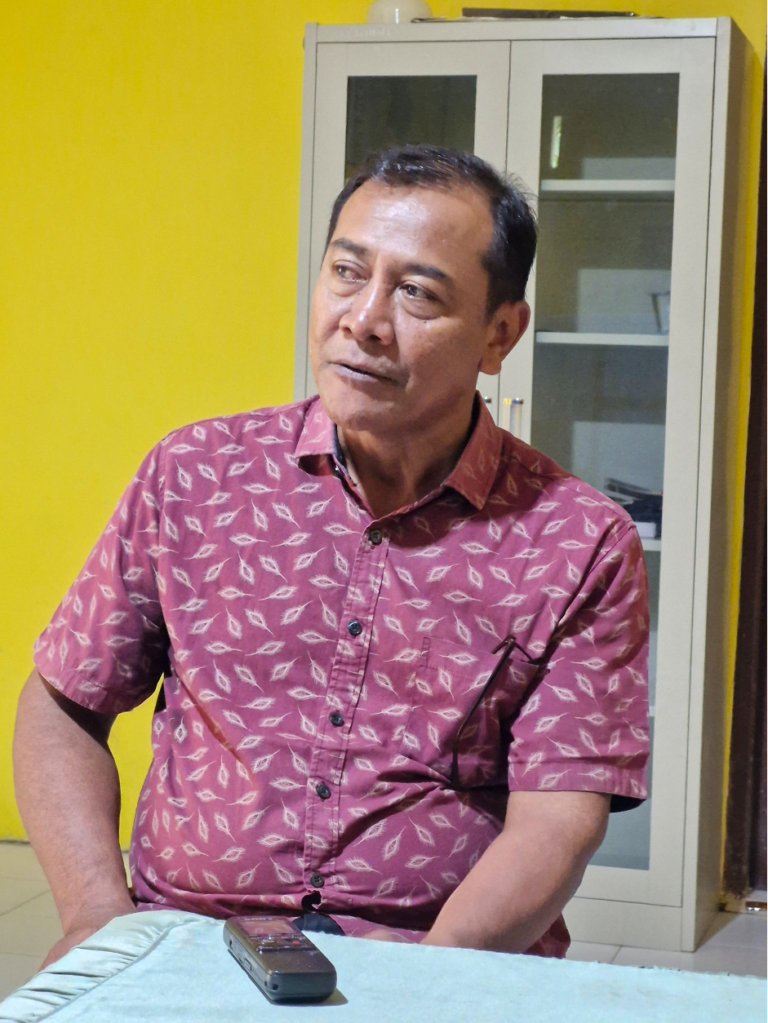
When Pak Alpin first took office as the Head of Tugu Village in Langkat, he had a clear vision: to develop the village physically, improve infrastructure, and ensure a more comfortable life for his residents. Before becoming the village head, he was a successful entrepreneur whose business had made him financially secure. However, upon returning to his hometown and being elected as village head, he realized that his duty was about more than just managing the construction of roads or public facilities.
As time went on, he began to see deeper issues—the village’s younger generation was facing immense challenges. A lack of education regarding Sexual and Reproductive Health and Rights (SRHR), historically high rates of early marriage, and a minimal awareness of the importance of education for teenagers forced him to rethink his priorities as a leader.
“I used to think being a village head was only about infrastructure and administration. As it turns out, building people is much more difficult and far more important,” Pak Alpin said.
He began to ask himself: “If I don’t act now, who will save the young generation of this village?”
Meeting CIKAL – A Turning Point
The answer to his question came when he encountered CIKAL, a youth community focused on SRHR education and youth empowerment. Initially, Pak Alpin was skeptical. He wondered why young people needed to learn about topics that had always been considered taboo.
However, after listening to presentations from representatives of ASB and CIKAL, he began to see a new perspective. He realized that teenagers need a proper understanding of their bodies, their rights, and how to make responsible decisions in their social lives.
Pak Alpin recalled his past experience as a marketing entrepreneur. He had once employed many young people and saw firsthand how easily they were influenced by their environment without proper guidance. Back then, he could only observe. But now, as a village head, he realized that observing wasn’t enough. He had to take it a step further—he had to educate.
From Village Head to Change Agent
Pak Alpin didn’t want to be just a passive supporter. He took concrete steps by integrating SRHR education into village policy:
Policy and Legal Support: He issued a Village Decree (SK Desa) for the Cikal community, giving them the legitimacy to operate more broadly. He also supported the formation of Community-Based Services (LBK) to handle cases of domestic violence and violence against women.
Village Fund Allocation: He allocated a portion of the village budget to support youth education programs, including training sessions and discussion series. He ensured there was a specific budget for youth activities so they could continue even after the ASB program ended.
Collaboration with Community and Government Leaders: He worked alongside religious and community leaders to ensure the program was widely accepted. He also partnered with relevant government agencies to strengthen the program’s sustainability.
Pak Alpin realized that discussing SRHR in a village with a strong patriarchal culture was no easy feat. However, he believed that with the right approach, the community would begin to accept that SRHR education is not taboo, but a necessity.
“In the past, if a girl was seen close to a boy, parents would rush to marry them off for fear of shame. Now, with better understanding, we know that marriage is not the solution to every problem,” he stated during a village meeting.
Changing Culture, Changing Mindsets
Pak Alpin also recognized that change must begin with how they communicate with the community. He utilized collective discussions as a space for teenagers to learn and share experiences. Instead of being forbidden from discussing SRHR, they now have a safe space to receive accurate information.
Furthermore, he encouraged youth involvement in village decision-making. He began involving them in village consultations (Musyawarah Desa), giving them a voice in determining policies that affect their own futures.
He believes that a mindset shift must start at home. He frequently speaks with parents about the importance of openness in educating their children. He also collaborates with schools and teachers to ensure that SRHR education becomes part of the village’s informal learning system.
A Legacy of Change for the Next Generation
Now, after several years in office, Pak Alpin is seeing real change. Teenagers are increasingly aware of their rights and responsibilities in social life, while parents are becoming more open to discussing issues previously considered taboo. This increased awareness has contributed to a decline in early marriage rates as the community grows to understand the risks.
Meanwhile, the CIKAL community continues to grow, with more teenagers active in peer education, helping their friends access correct information. Additionally, the Community-Based Services (LBK) are now more active in handling violence cases, providing protection for women and children in need. This transformation serves as proof that with the right support and education, a community can move toward a better future.
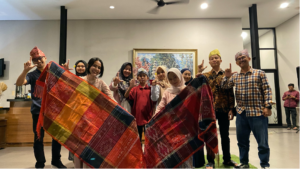
Pak Alpin knows that his journey is far from over. He wants to ensure that once his term ends, the programs he has initiated will continue to thrive. When asked if he ever imagined himself becoming an advocate for SRHR in his village, Pak Alpin gave a small laugh.
“I used to think being a village head was just about signing documents and building roads. As it turns out, building people is much more important. If we don’t care about our youth today, we are destroying the future of our village.”
For Pak Alpin, SRHR is not merely a health issue, but the key to building a generation that is more aware, more resilient, and better prepared to face the future.
The significant changes taking place in Tugu Village are inseparable from the role of the Yayasan Gemilang Sehat Indonesia (YGSI), supported by the Right Here Right Now 2 (RHRN2) program. Through collaborative work with partners such as ASB and the CIKAL community, YGSI has introduced a transformative approach to SRHR education and youth empowerment.
The technical support, mentoring, and policy advocacy provided by YGSI and ASB have strengthened the position of local leaders like Pak Alpin, enabling them to become agents of change within their communities. By encouraging the integration of SRHR into village policies and ensuring the meaningful participation of young people, YGSI is helping to lay the foundation for sustainable change—not only for Tugu Village, but for the future of Indonesia’s younger generation. (*)