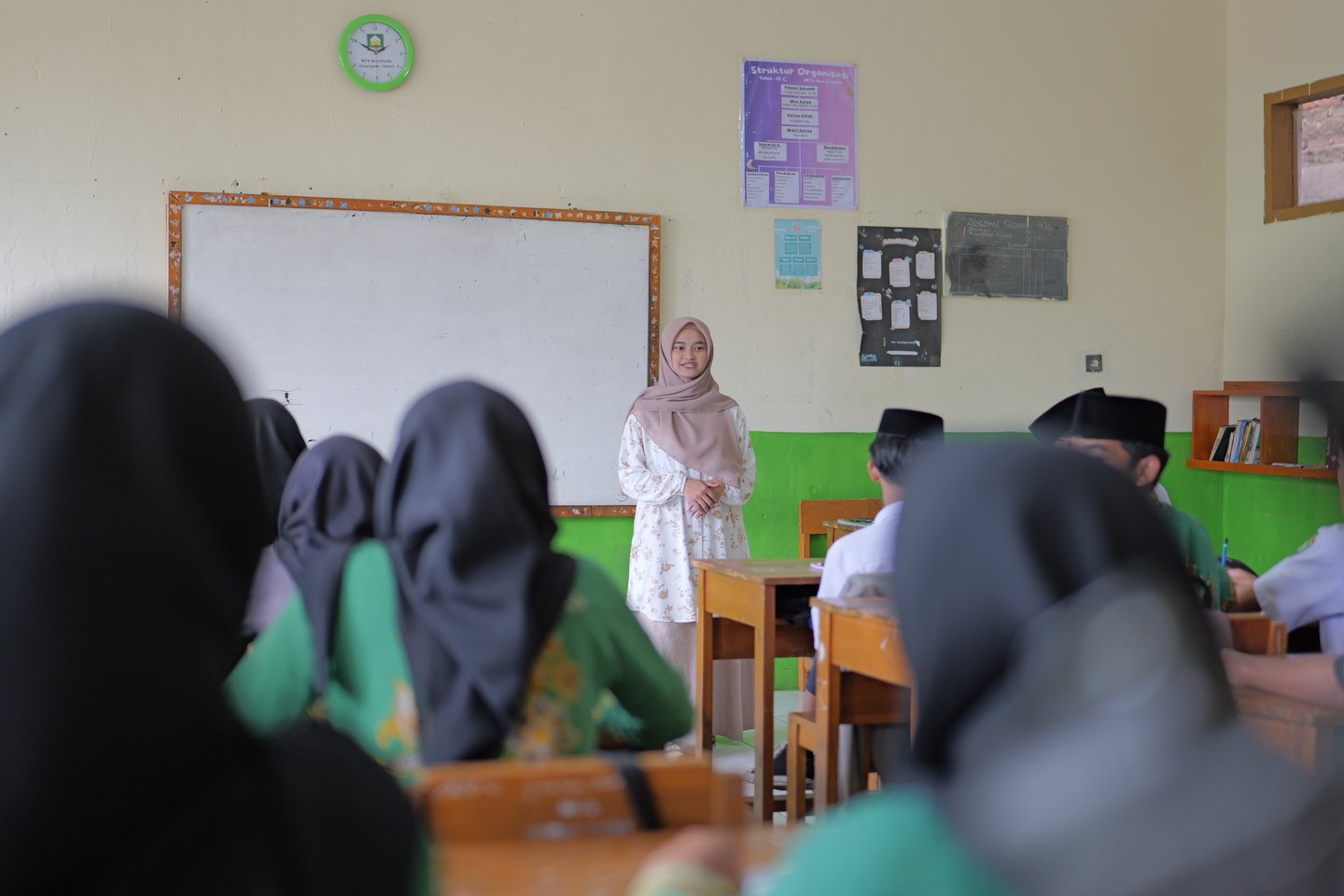
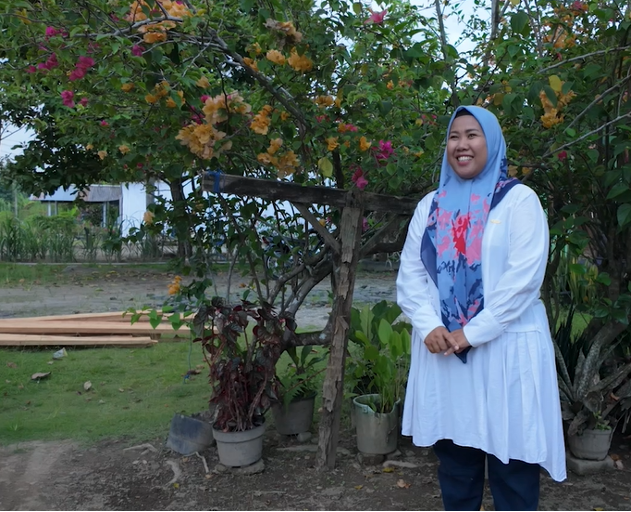
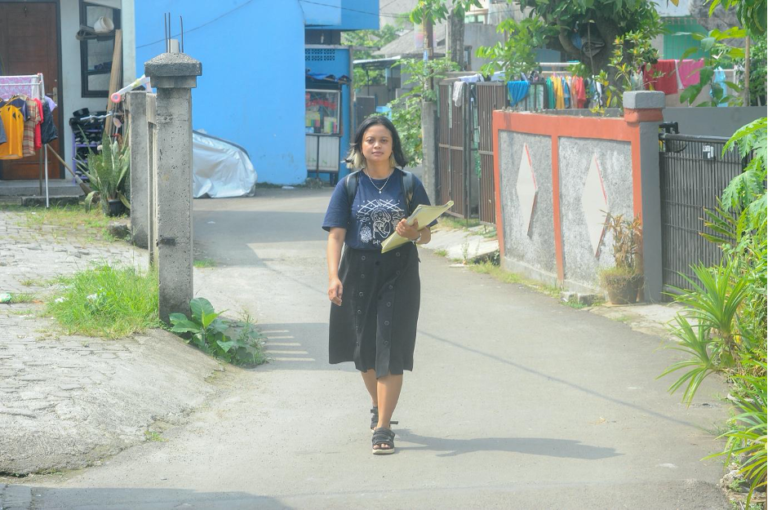
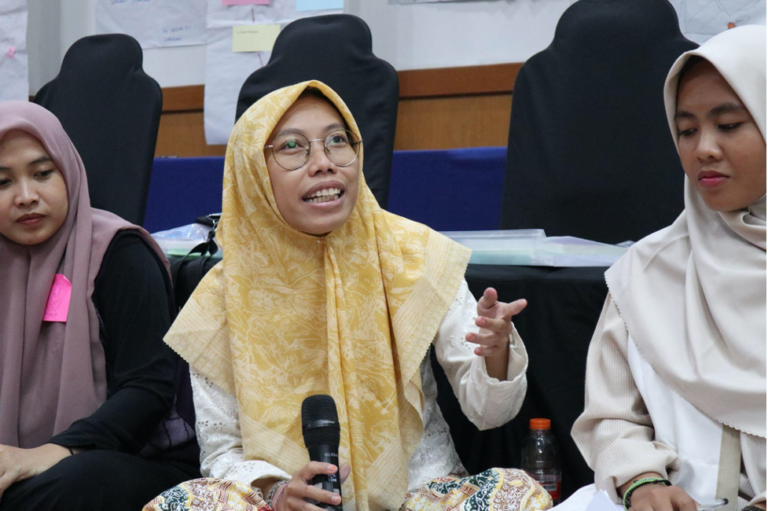
Since 2022, a group of young female ulama with a feminist perspective in Garut, West Java, Indonesia, has embarked on a vital mission to address sexual and gender-based violence (SGBV) through education, assistance, and advocacy. Their efforts are supported by the Generation Genders Coalition Indonesia, a collaborative initiative aimed at advancing gender equality across various spheres of community life. This transformative movement is marked by the development of specialized educational modules designed to empower female religious leaders to effectively address gender justice issues.
“As young female ulama, our role goes beyond mere advocacy. We are redefining the meaning of leadership in our communities by ensuring that women’s voices are at the forefront of preventing sexual violence and creating a sense of safety for everyone.” — Ai Nur Maulidah, Young Female Ulama at MTs Nurul Huda Garut.
This initiative, led by young scholars, has fostered community empowerment through various innovative strategies. One of their key achievements is the establishment of Gender Studies Circles within pesantren (Islamic boarding schools), which serve as a forum for male students (santri) to discuss gender issues.
This initiative also encourages a more inclusive understanding of gender roles within a religious context, while fostering a culture of mutual respect and cross-gender dialogue. Furthermore, the creation of safe spaces for discussion allows students to share their experiences and challenges regarding gender and SGBV, thereby raising awareness within their surrounding environment.
The introduction of “Gender and Islam” classes in institutions such as the As-Samam Pesantren in Ciamis has further equipped students with knowledge of gender justice from an Islamic perspective, challenging traditional narratives and promoting a more equitable view of the roles of men and women.
English Translation
Policy implementation also plays a crucial role in promoting gender justice within religious communities. Young female ulama have been instrumental in drafting Standard Operating Procedures (SOPs) for handling sexual violence, specifically in communities like Swara Saudari in Purwakarta and at the Nurul Huda Pesantren in Garut. These SOPs provide clear guidelines for institutions and communities to manage violence cases and ensure that victims receive the necessary support.
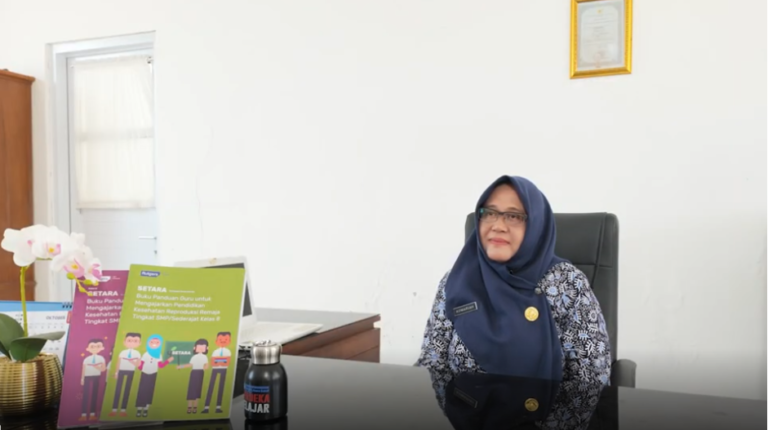
“The importance of having SOPs in schools is to ensure that every case of violence, including sexual violence, is handled appropriately and transparently. With a strong commitment from the entire school community, we are optimistic that violence in madrasas can be significantly reduced.” — Himas Ketida, Principal of MTs Nurul Huda Garut.
The success in drafting and implementing these SOPs has set an important precedent for addressing SGBV and has encouraged other communities to adopt similar measures to enhance safety and accountability.
The achievements of these young scholars have also gained broader recognition, strengthening their influence and impact at both national and international levels. Some have emerged as prominent female preachers on platforms like cariustadz.com, which highlights female religious leaders advocating for gender justice within Islamic teachings. This recognition amplifies their voices and provides a platform to share their perspectives on SGBV and gender equality, contributing to the normalization of female leadership within religious contexts.
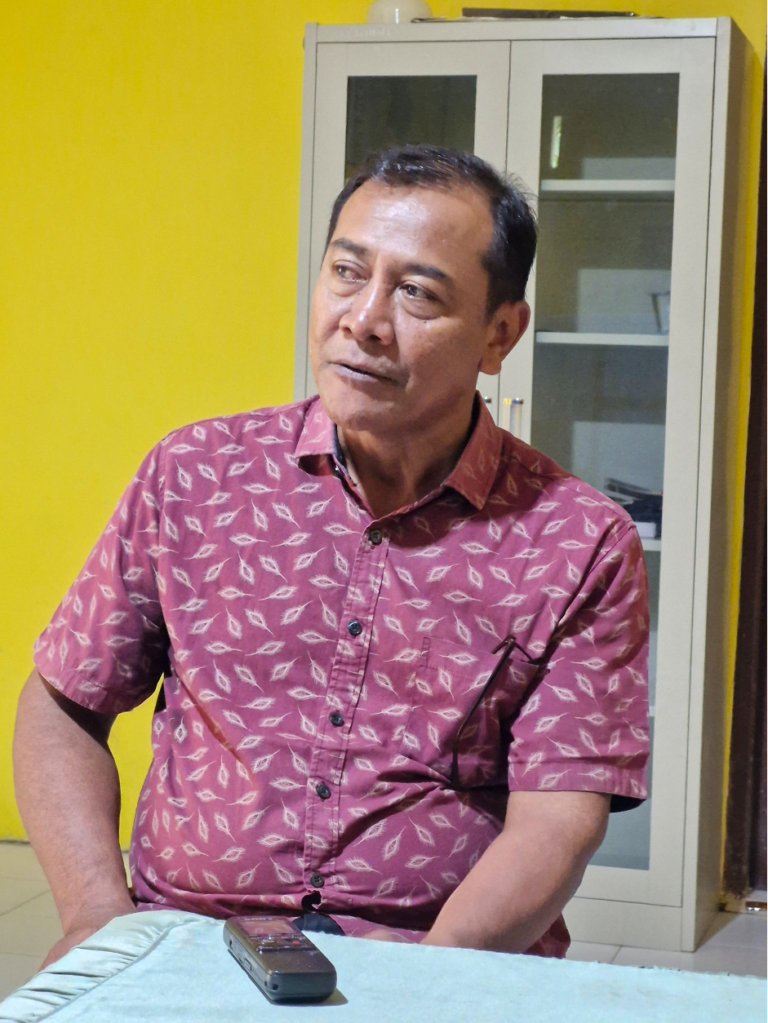
“RAHIMA sees young female ulama as key actors in building religious narratives that are more gender-just. We prepare them to face major challenges, especially in social and media environments that are still very conservative. With in-depth education and support from senior scholars, they are able to bring about real change in communities and madrasas.” — Pera Sopariyanti, Director of RAHIMA.
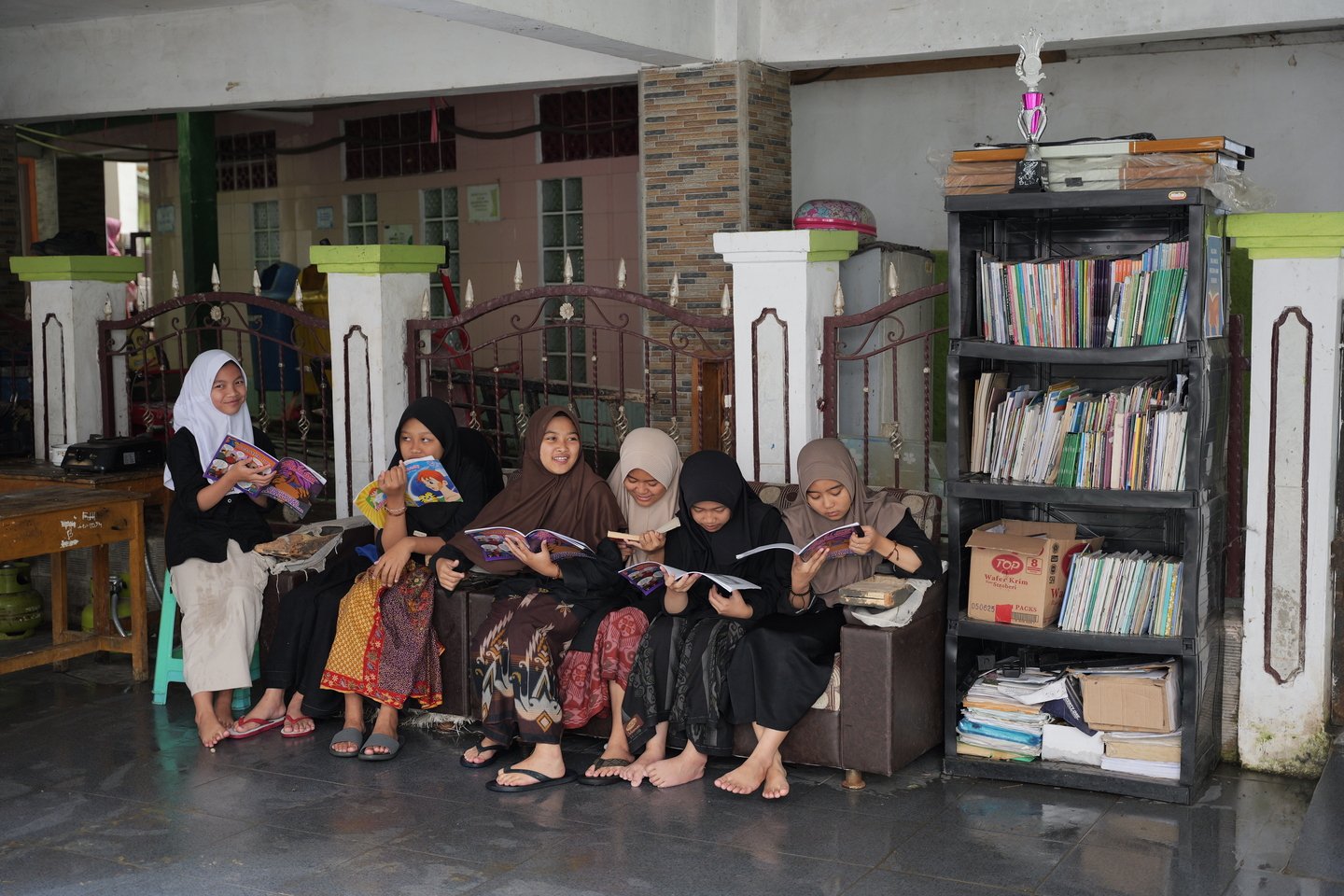
In addition to gaining visibility, many young female ulama have secured academic scholarships—including doctoral studies—for their contributions to gender studies and religious leadership. These scholarships not only support their personal development but also strengthen their positions as influential leaders and scholars within their communities. By pursuing higher education, they contribute to research and discourse on gender justice while expanding the reach of their advocacy.
Furthermore, these young female scholars actively utilize social media as an advocacy tool, recognizing the vital importance of digital platforms in reaching a broader audience.
“RAHIMA realizes that social media is a crucial space for young female ulama to voice a gender-just dakwah (religious calling). They do not only preach directly within their communities but are also active online to respond to conservative narratives and advocate for the elimination of gender-based violence, especially among the youth.” — Pera Sopariyanti, Director of RAHIMA.
This dual approach—engaging communities both in person and through online media—has amplified their message and stimulated public discussion regarding gender justice and the prevention of SGBV.
Driving Cultural Shifts
Through innovative strategies and strong commitment, these young female ulama have made significant strides in the fight for gender justice in Indonesia. Their work not only empowers individuals but also challenges long-standing social norms, paving the way for a more equitable future.
Supported by organizations such as Yayasan Gemilang Sehat Indonesia (YGSI) and RAHIMA under the Generation Gender Program, these young leaders demonstrate the potential of religious actors—both male and female—to drive change. Their efforts reflect a significant cultural shift, where gender equality and the prevention of sexual violence are becoming integral to the values taught in madrasas, shaping a new generation that respects and protects the dignity of all people.
A Model for Global Inspiration
The story of young female ulama in Indonesia illustrates the profound impact that grassroots advocacy can have on addressing gender-based violence within religious environments. By emphasizing education, mentorship, and collaboration, these young leaders are transforming societal perspectives on gender justice and creating supportive, empowering environments.
Despite facing substantial challenges, their achievements prove that young people possess the immense potential to create positive change within their communities and beyond. YGSI in Indonesia hopes that the stories of these young female ulama can serve as an inspiration for other nations—especially those where religion remains the primary foundation of social values—to adopt a similar approach.
The experience of these scholars underscores the importance of utilizing religious teachings and values as tools to fight for gender justice. YGSI believes that the positive impact of these young female ulama in West Java will encourage progressive change across other provinces in Indonesia and eventually serve as a powerful global example of how faith can be a catalyst for compassion and equality. (*)